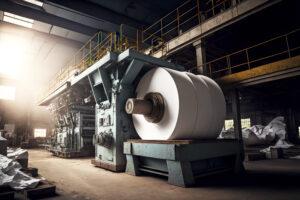


Construction companies worldwide grapple with escalating demands to balance performance against environmental stewardship. Conventional building practices devour natural resources at unprecedented rates while creating massive waste streams. Reclaimed asphalt pavement offers a groundbreaking alternative. This innovative technology transforms millions of tons of construction debris into premium-grade materials. RAP slashes expenses, preserves finite resources, and delivers exceptional structural performance while advancing sustainable building methodologies.
Key Takeaways
- Reclaimed asphalt pavement transforms construction waste into high-performance materials, diverting millions of tons from landfills annually while maintaining structural integrity.
- RAP processing reduces construction costs by 15-40% compared to virgin materials while eliminating transportation and disposal expenses.
- Environmental benefits include significant greenhouse gas reduction, energy conservation, and natural resource preservation through reduced quarrying operations.
- Modern RAP processing technologies enable multiple recycling cycles without performance degradation, supporting true circular construction practices.
- Successful RAP implementation requires proper equipment selection, quality control protocols, and technical expertise to optimize performance and sustainability benefits.
Understanding Reclaimed Asphalt Pavement
Reclaimed asphalt pavement consists of engineered material created from processed asphalt concrete extracted from existing roadways and paved surfaces. The material makeup contains 95% aggregates (stone, sand, gravel) bonded with 5% aged asphalt binder. This creates valuable construction resources instead of disposal waste streams.
RAP originates from various sources during construction lifecycles. Road milling operations produce the largest quantities during rehabilitation work. Full-depth reclamation generates RAP when complete pavement sections need replacement. Construction activities and asphalt plant waste supply additional material volumes.
Contemporary RAP processing differs markedly from conventional recycling methods. Standard recycling often downgrades materials for inferior applications. RAP retains engineering properties suitable for demanding construction uses. Sophisticated processing separates, grades, and reconstitutes material meeting rigorous specifications.
Asphalt’s distinctive characteristics enable repeated recycling cycles. Unlike materials that deteriorate through usage, asphalt withstands reheating, remixing, and reforming without compromising structural performance. Premium RAP demands meticulous handling and strict quality control including material evaluation, gradation testing, and binder content verification.
How Recycled Asphalt Works
Recycled asphalt processing involves sophisticated techniques that restore aged material to virgin-quality specifications. Transformation begins with crushing and screening operations that separate RAP into specific size gradations while preserving aggregate structure and residual asphalt content.
Heat application plays a crucial role in reconstitution. Hot recycling methods raise temperatures to 250-300°F, softening aged binder for thorough mixing with new materials. Cold recycling uses emulsions or foamed asphalt to achieve binding without extensive heating, reducing energy consumption.
Chemical rejuvenation addresses binder aging – the primary challenge in recycled asphalt processing. Years of oxidation make aged asphalt brittle and less adhesive. Rejuvenating agents restore flexibility by penetrating aged material and modifying chemical structure. These additives ensure recycled binder performs like new material.
Modern equipment incorporates advanced controls monitoring temperature, mixing ratios, and gradation in real-time. Automated systems adjust parameters continuously, producing consistent RAP products meeting exact specifications. This precision enables higher recycled content while maintaining quality standards.
Performance testing validates RAP properties before construction use. Standard tests measure density, stability, flow characteristics, and durability. Results consistently show properly processed recycled asphalt matches or exceeds virgin material performance. Research proves asphalt can be recycled seven or more times without significant degradation.

Environmental Advantages
RAP asphalt produces measurable environmental improvements extending well beyond waste diversion. The most substantial impact stems from greenhouse gas reduction. Conventional asphalt production demands heating virgin materials to 300°F or higher, burning considerable energy. RAP processing operates at reduced temperatures, cutting energy consumption by 20-30% per ton.
Natural resource preservation represents another major benefit. Each ton of RAP asphalt protects approximately one ton of virgin aggregate that would need quarrying. This decreases mining operations, reduces habitat disruption, and safeguards natural landscapes.
Industry data reveals the environmental impact magnitude. American roads produce over 80 million tons of RAP annually. Current recycling processes handle roughly 72 million tons, preventing enormous landfill accumulation while providing construction materials. This effort saves an estimated 4.1 million tons of virgin asphalt binder and 78 million tons of virgin aggregates yearly.
Carbon footprint improvements include:
- Transportation Reduction: Eliminated hauling distances save millions of truck miles annually
- Energy Efficiency: Decreased processing temperatures reduce fossil fuel consumption
- Waste Prevention: Avoids landfill methane emissions from organic asphalt components
- Mining Decrease: Reduces diesel use in aggregate extraction and processing
Life cycle evaluations demonstrate RAP’s environmental superiority across impact categories. Research shows 18% lower CO2 emissions per ton of paved material using RAP versus virgin materials. Energy savings reach 20% or higher, depending on recycled content percentages and processing methods. Water quality protection emerges as an additional benefit, as RAP utilization reduces quarrying operations that can impact groundwater systems and surface watersheds.
Economic Benefits
RAP implementation generates substantial savings across construction phases. Material costs decrease immediately, with recycled content priced 30-40% below virgin materials. Transportation expenses also drop since RAP often comes from local milling operations rather than distant quarries.
Disposal cost elimination provides significant economic advantages. Traditional construction generates enormous waste requiring expensive landfill disposal. RAP programs convert waste streams into valuable construction material, eliminating disposal fees while generating revenue.
Processing efficiency contributes to project economics. RAP facilities achieve higher production rates than virgin operations due to reduced heating requirements. This translates to lower labor costs per ton and increased daily capacity.
Government incentives enhance RAP attractiveness:
- Tax Credits: Many jurisdictions offer advantages for using recycled materials
- Specification Requirements: Public projects increasingly mandate minimum RAP content
- LEED Certification: RAP use contributes toward green building certifications
- Grant Programs: Federal and state funding supports processing facility development
Market trends favor continued RAP adoption. Virgin material costs rise due to transportation expenses and resource scarcity. RAP pricing remains stable, creating expanding cost advantages for budget-conscious projects.

RAP Applications in Modern Construction
Highway construction represents the largest application for used asphalt materials. Interstate rehabilitation projects routinely incorporate 20-40% RAP content without performance compromises. State departments report excellent long-term results, with RAP sections often outlasting adjacent virgin areas.
Municipal roadways gain particular advantages from RAP utilization. City streets handle lighter traffic loads, creating ideal conditions for higher RAP percentages. Some municipalities successfully employ 50% or more recycled content in residential and commercial paving projects.
Industrial facility construction progressively incorporates reclaimed asphalt pavement in heavy-duty applications. Manufacturing plants and distribution centers need robust pavement systems handling loaded trucks and equipment traffic. RAP-enhanced surfaces deliver required strength while cutting costs and environmental impact. Learn more about asphalt application considerations for industrial projects.
Parking lot construction provides excellent conditions for RAP implementation. These applications typically involve lower traffic speeds and loads compared to roadways, allowing for elevated recycled content percentages. Commercial developments increasingly specify RAP materials to meet sustainability goals while controlling construction budgets.
Specialty applications continue expanding:
- Temporary Access Roads: Construction sites use RAP for temporary roadways recyclable after completion
- Base Course Applications: RAP serves as excellent base material under concrete or asphalt surfaces
- Airport Facilities: Aviation applications demand exceptional durability while benefiting from cost savings
Processing Technologies and Equipment
Hot mix recycling represents the most common RAP processing approach, utilizing existing asphalt plant infrastructure with modifications. Batch plants incorporate RAP through parallel drum systems heating recycled material separately before blending with virgin components.
Cold recycling technologies offer energy-efficient alternatives. Emulsion-based systems combine RAP with liquid asphalt emulsions at ambient temperatures, eliminating heating requirements. Foamed asphalt processes inject water into hot binder, creating expanded foam coating RAP aggregates at reduced temperatures.
Understanding asphalt production processes helps optimize RAP integration. Plant modifications include RAP storage silos, conveying systems, and heating equipment sized for desired recycled percentages.
Quality control technologies ensure consistent results:
- Temperature Monitoring: Continuous measurement prevents overheating
- Automated Batching: Precise ratios maintain consistent recycled content
- Gradation Analysis: Monitoring ensures proper aggregate sizing
- Moisture Controls: Optimal levels improve mixing efficiency
Mobile equipment enables on-site processing for large projects. Self-contained units mill existing pavement, process material, and lay new surface in continuous operations.

Challenges and Solutions
Material quality variability presents the primary challenge in recycled asphalt programs. RAP sources differ in age, specifications, and exposure conditions. Successful programs address this through comprehensive testing protocols characterizing each batch before processing.
Contamination requires careful material handling. Foreign materials like concrete or debris can compromise equipment and product quality. Prevention includes visual inspection, magnetic separation, and screening operations removing inappropriate materials.
Technical challenges in high-percentage RAP asphalt applications include potential brittleness and temperature susceptibility. These issues arise when aged binder content exceeds optimal ratios without adequate rejuvenation. Solutions involve careful binder evaluation, appropriate rejuvenating agent selection, and modified mix designs compensating for aged material characteristics. Public perception occasionally limits RAP acceptance despite proven performance records. Educational outreach programs highlighting environmental benefits and cost savings help build support for recycled material use.
Revolutionary solutions address traditional limitations:
- Bio-based Rejuvenating Agents: Natural oils restore aged binder properties more effectively than synthetic alternatives
- Fractionated Processing: Separating material by size improves gradation control and mixing efficiency
- Polymer Enhancement: Adding polymers boosts performance characteristics and extends service life
- Warm Mix Technologies: Lower temperatures reduce energy consumption while maintaining workability
RAP’s Future in Sustainable Construction
Reclaimed asphalt pavement leads construction transformation, demonstrating that environmental stewardship and economic efficiency work together successfully. The technology converts waste streams into premium construction materials, representing a shift toward circular economy principles that will shape future building practices.
Market forces favor continued RAP adoption as environmental regulations tighten and material costs escalate. Technological breakthroughs expand applications while improving processing efficiency and quality. The combination of demonstrated performance, cost savings, and environmental advantages positions RAP as cornerstone technology for sustainable construction.
Construction’s trajectory depends on creative approaches addressing environmental challenges while meeting growing infrastructure demands. RAP shows how thoughtful engineering and processing can transform waste problems into valuable opportunities, creating sustainable foundations for continued growth and environmental stewardship. The technology’s maturity and widespread acceptance indicate RAP will remain central to sustainable construction strategies for decades ahead.
FAQ
What percentage of recycled content can be safely used in new asphalt construction?
Modern RAP processing allows for 25-50% recycled content in most applications, with some specialized techniques enabling up to 100% recycled material. The optimal percentage depends on project specifications and performance requirements.
How does reclaimed asphalt pavement compare to virgin materials in terms of durability?
When properly processed and applied, RAP-containing pavements often match or exceed the performance of virgin materials. Advanced processing techniques and quality control ensure consistent durability and longevity.
What equipment modifications are needed for facilities to process recycled asphalt effectively?
Most asphalt plants can be modified with RAP handling systems, storage silos, and heating equipment. The specific modifications depend on the desired RAP percentage and production volume requirements.
Are there regulatory restrictions on using reclaimed asphalt pavement in construction projects?
RAP use is widely supported by federal and state agencies, with most jurisdictions having established specifications and guidelines. Many government programs actively encourage RAP adoption through incentives and requirements.
What quality control measures ensure consistent performance in recycled asphalt applications?
Quality control includes material testing, gradation analysis, asphalt content verification, and performance monitoring. Modern facilities use automated systems to maintain consistent RAP quality and performance standards.