
Key Takeaways:
- Centrifugal pumps convert rotational energy into fluid flow using an impeller and are ideal for high-flow, low-viscosity applications
- They operate on the principle of centrifugal force, pushing fluid from the center outward through the impeller vanes
- Common applications include water treatment, HVAC systems, chemical processing, oil and gas operations, and agricultural irrigation
- Available in multiple configurations including single-stage, multistage, horizontal, and vertical designs
- Selection depends on factors like flow rate, pressure requirements, fluid properties, and operating conditions
- AMED US offers expert guidance and quality centrifugal pump solutions from leading manufacturers
When it comes to moving fluids efficiently in industrial settings, centrifugal pumps stand as one of the most reliable and widely used solutions. At AMED US, we understand that choosing the right pump for your application requires both technical knowledge and practical experience. Whether you’re managing a water treatment facility, running an industrial operation, or maintaining HVAC systems, understanding how centrifugal pumps work can help you make better decisions for your operation.
What Are Centrifugal Pumps?
A centrifugal pump is a mechanical device that transfers fluids by converting rotational energy from a motor into kinetic energy and pressure. Unlike positive displacement pumps that move fixed volumes of fluid, centrifugal pumps create a continuous flow by accelerating the liquid outward from the center. This makes them particularly effective for applications requiring high flow rates with moderate pressure.
According to the American Petroleum Institute’s API 610 standard, centrifugal pumps are essential equipment in petroleum, petrochemical, and natural gas industries due to their reliability and efficiency. We distribute pumps that meet these rigorous industry standards, ensuring our clients receive equipment designed for demanding applications.
How Centrifugal Pumps Work
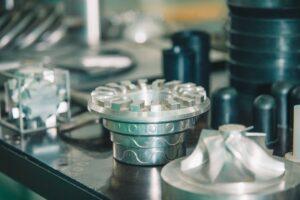
The operation of a centrifugal pump is based on a straightforward yet effective principle. When you start the pump motor, it spins the impeller at high speed. The impeller is a rotating component with curved vanes that sits at the heart of the pump. As the impeller rotates, fluid enters through the center (called the eye) and gets caught by the impeller vanes.
The centrifugal force generated by the spinning impeller throws the liquid outward toward the pump casing. As the fluid moves through the impeller, its velocity increases significantly. The pump casing, typically designed as a volute or with diffuser vanes, then converts this high velocity into pressure. The result is pressurized fluid that flows out through the discharge port, ready to be transported through your piping system.
This energy conversion process makes centrifugal pumps highly efficient for moving large volumes of liquid. The key components working together include the impeller, casing (volute), shaft, bearings, and mechanical seal. At AMED US, we work with manufacturers like Grundfos, Goulds, and Weinman who have perfected these designs for maximum reliability.
Types of Centrifugal Pumps
Understanding the different types of centrifugal pumps helps you select the right configuration for your needs. We offer several categories based on design and application.
Single-Stage vs. Multistage Pumps
Single-stage centrifugal pumps have one impeller and are ideal for applications requiring moderate pressure increases. They’re simpler, more cost-effective, and easier to maintain. Multistage pumps contain multiple impellers arranged in series, with each stage adding more pressure. These are perfect when you need to generate high pressures, such as in boiler feed applications or high-rise building water supply.
Horizontal vs. Vertical Configurations
Horizontal centrifugal pumps are the most common type we install. They’re easy to access, service, and maintain, making them ideal for industrial facilities. The pump and motor sit side by side on a baseplate, simplifying alignment and maintenance procedures.
Vertical centrifugal pumps save floor space and work well for applications where you’re pumping from underground tanks or sumps. They’re commonly used in water wells and in situations where minimizing the installation footprint is important.
End Suction and Split Case Designs
End suction pumps have a single suction port and are perfect for general-purpose applications. Split case pumps feature a casing that splits horizontally, allowing you to access internal components without disturbing the piping. We often recommend these for municipal water systems and large HVAC installations.
Common Applications of Centrifugal Pumps
We see centrifugal pumps excel across numerous industries. Their versatility makes them indispensable for operations throughout North and South America.
Water and Wastewater Treatment
Centrifugal pumps are the backbone of water treatment facilities. They move raw water through filtration systems, transport treated water to distribution networks, and handle wastewater in treatment plants. The ability to handle large volumes continuously makes them perfect for municipal applications. We supply robust centrifugal pumps designed specifically for these demanding environments, capable of handling solids and maintaining consistent flow rates.
Industrial Process Applications
From chemical processing plants to oil refineries, centrifugal pumps move process fluids efficiently. In chemical plants, they transfer acids, bases, and solvents between process stages. The oil and gas industry relies on them for crude oil transfer, water injection systems, and refinery operations. Our team at AMED US helps you select materials and configurations that can handle corrosive or high-temperature fluids safely.
HVAC and Building Systems
Commercial buildings depend on centrifugal pumps to circulate chilled water for air conditioning and hot water for heating. These pumps maintain comfortable temperatures while operating continuously with minimal maintenance. We provide energy-efficient pumps that reduce operational costs in HVAC systems.
Agriculture and Irrigation
Farmers use centrifugal pumps to draw water from wells and reservoirs, distributing it through irrigation systems. The high flow rates make them ideal for covering large fields efficiently. We serve agricultural clients throughout Latin America who need reliable pumps for crop irrigation and livestock water supply.
Power Generation
Power plants use centrifugal pumps for boiler feed, cooling water circulation, and condensate extraction. The reliability of these pumps directly impacts plant efficiency and uptime. We understand the critical nature of power generation applications and supply pumps built to industry specifications.
Advantages of Centrifugal Pumps
Why do so many industries choose centrifugal pumps? The advantages are compelling. They deliver high flow rates efficiently, making them cost-effective for large-volume applications. Their simple design means fewer moving parts compared to other pump types, which translates to lower maintenance requirements and reduced downtime.
Centrifugal pumps operate smoothly with minimal vibration and noise. They can handle some solids and debris in the fluid without immediate damage, though proper filtration remains important. The compact size allows installation in confined spaces, and the ability to operate continuously for extended periods makes them reliable workhorses in industrial settings.
Energy efficiency is another significant advantage. Modern centrifugal pump designs minimize power consumption while maintaining performance. This reduces your operational costs and environmental impact. We help clients select pumps with the optimal efficiency point for their specific application.
Centrifugal Pump Selection Considerations
Choosing the right centrifugal pump requires evaluating several factors. Start with your flow rate requirements. How much fluid do you need to move per minute or hour? Then consider the total dynamic head, which accounts for the vertical distance, friction losses, and pressure requirements of your system.
Fluid characteristics matter significantly. What are you pumping? The viscosity, temperature, corrosiveness, and solids content all influence pump selection. We guide clients through material choices, from cast iron for clean water to stainless steel for corrosive chemicals and specialized alloys for extreme conditions.
Consider the operating environment too. Will the pump be indoors or outdoors? What are the temperature extremes? Do you need explosion-proof motors for hazardous locations? At AMED US, our engineers evaluate these factors to recommend the most suitable pump configuration.
Don’t overlook lifecycle costs. While initial purchase price matters, factor in energy consumption, maintenance requirements, and expected service life. An efficient pump with readily available parts often provides better value over time than a cheaper alternative.
Why Choose AMED US for Your Centrifugal Pump Needs
We’ve built our reputation on providing reliable industrial pumps backed by expert service. Based in Miami with teams throughout Colombia, Chile, and Ecuador, we understand the unique challenges facing operations across the Americas. Our partnerships with leading manufacturers like Ruhrpumpen, WDM, Viking, and Sumitomo give you access to proven pump technology.
Our team includes licensed engineers who can evaluate your application and recommend the optimal solution. We don’t just sell equipment; we provide comprehensive pump services including installation support, maintenance programs, and repair capabilities. When you work with AMED US, you gain a partner committed to keeping your operations running smoothly.
We maintain extensive inventory across multiple locations, reducing lead times and ensuring you get the equipment when you need it. Our competitive pricing, combined with quality products and responsive service, delivers the value you expect from an industrial equipment supplier.
Make the Right Choice for Your Application
Centrifugal pumps represent proven technology that continues to evolve. From basic water transfer to complex chemical processing, they provide reliable fluid movement across countless applications. Understanding how these pumps work and what factors influence their performance helps you make informed decisions for your facility.
Whether you’re replacing existing equipment, expanding capacity, or starting a new project, the right centrifugal pump makes a difference in efficiency, reliability, and operational costs. We’re here to help you navigate the options and find the best solution for your specific needs.
Ready to discuss your centrifugal pump requirements? Contact the AMED US team today for expert guidance on selecting, installing, and maintaining industrial pumps that keep your operations running efficiently. Our engineers are standing by to provide personalized recommendations based on your application requirements and help you find the perfect pump solution from our extensive inventory of quality industrial equipment.